Blog
Forget perfection. We want cake.
2 ounces unsweetened chocolate
3 tablespoons water
—
cocoa powder for dusting pans
for the buttercream:
Preheat oven to 350 degrees.
Grease two 8-inch layer cake pans; dust pans with cocoa powder. Set pans aside.
Whisk together flour, baking soda, cream of tartar and salt. Set aside.
Combine 3 tablespoons water with unsweetened chocolate and microwave until melted. Be careful not to burn. (I microwave for about 15 seconds a clip and give chocolate a good stir every time I check the bowl.) Once melted, set chocolate aside.
Cream butter and granulated sugar in bowl of stand mixer for 4-5 minutes.
Meanwhile, beat 4 egg WHITES in separate bowl until fluffy white clouds. Set whites aside.
Add vanilla and 4 egg yolks to bowl with butter/sugar, mixing to combine. Stir in melted chocolate.
Add flour mixture to the party alternately with milk, mixing to combine.
Fold beaten egg whites into batter until thoroughly combined.
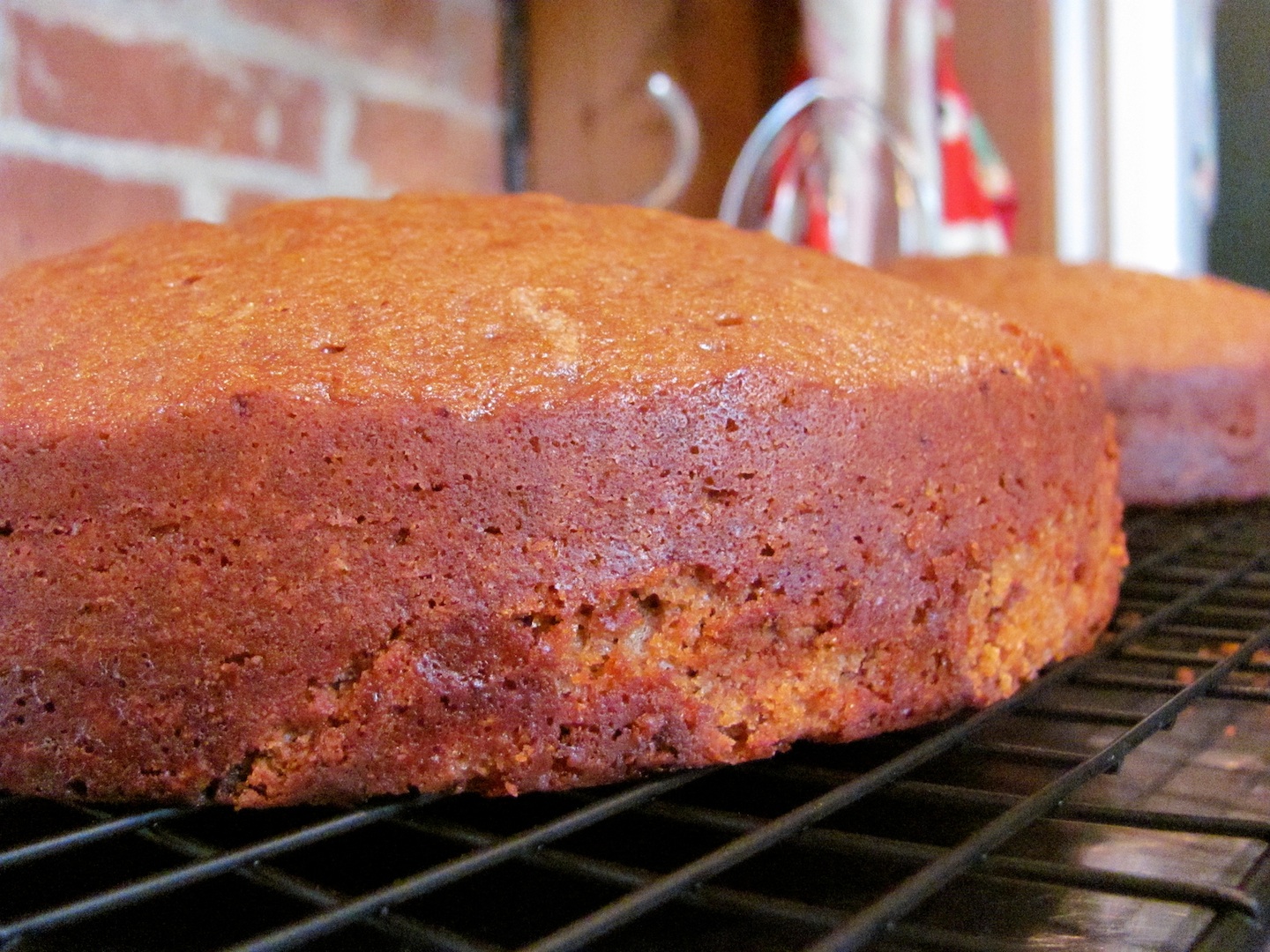
Pour batter into prepared layer cake pans and bake in preheated oven for 45-50 minutes. Cakes are done when sides pull away from edge of pans and cake tester (or toothpick) comes out clean after inserted into center of cake.
Place cakes (still in their pans) on wire rack to cool for about 10 minutes. Then invert cakes onto rack and let cool completely before frosting.
For the Chocolate Buttercream:
Beat softened butter with confectioners’ sugar for at least 5 minutes, scraping down sides of bowl every so often.
Add vanilla, melted chocolate and milk (a tablespoon or two at a time — honestly, I didn’t measure) and continue beating (like you mean it) — and continuously scraping down sides of bowl to catch any globular goodness — until you have a fluffy, spreadable, super-delicious buttercream.
Frosting the layers:
Lay 4 strips of parchment paper or aluminum foil on cake plate, where the edges of the first cake layer will rest. (You will remove these strips post-frosting.)
Place one cake layer atop strips.
Dollop a modest scoop of buttercream onto the layer, frosting in broad strokes to seal up any wayward crumb-age, then dollop a a generous scoop and liberally frost layer.
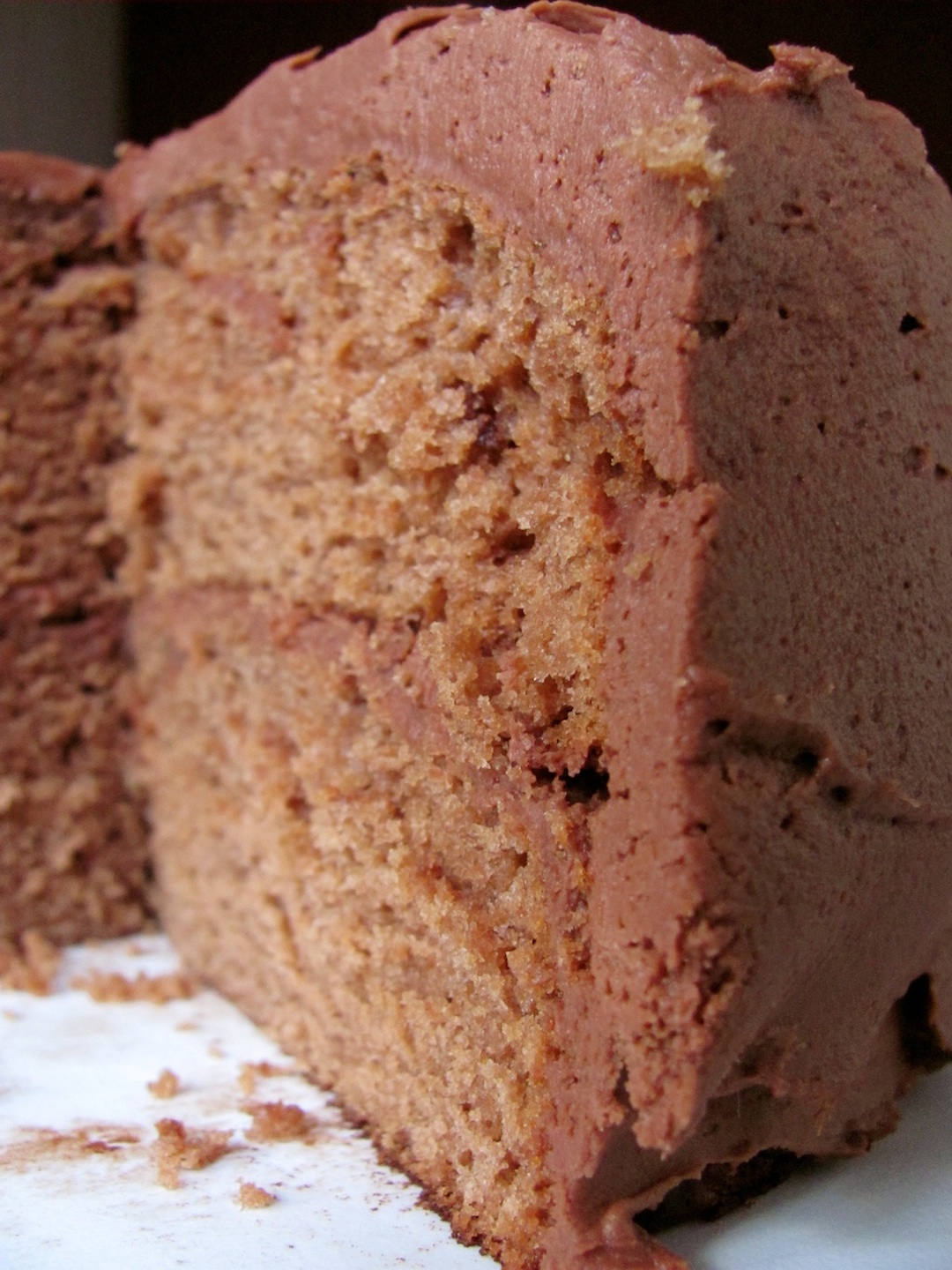
Place second cake layer atop first. Frost the top generously before frosting the sides of the cake. Don’t be stingy. Use all the buttercream to adorn the cake, swirling in carefree strokes as you go. (Again, this cake is not about perfection. The layers are not perfectly even, and the frosting shouldn’t be, either.)
Remove the strips of parchment.
Gobble up a slice of moist perfection with a tall, icy glass of milk.
Doin' the Doodle
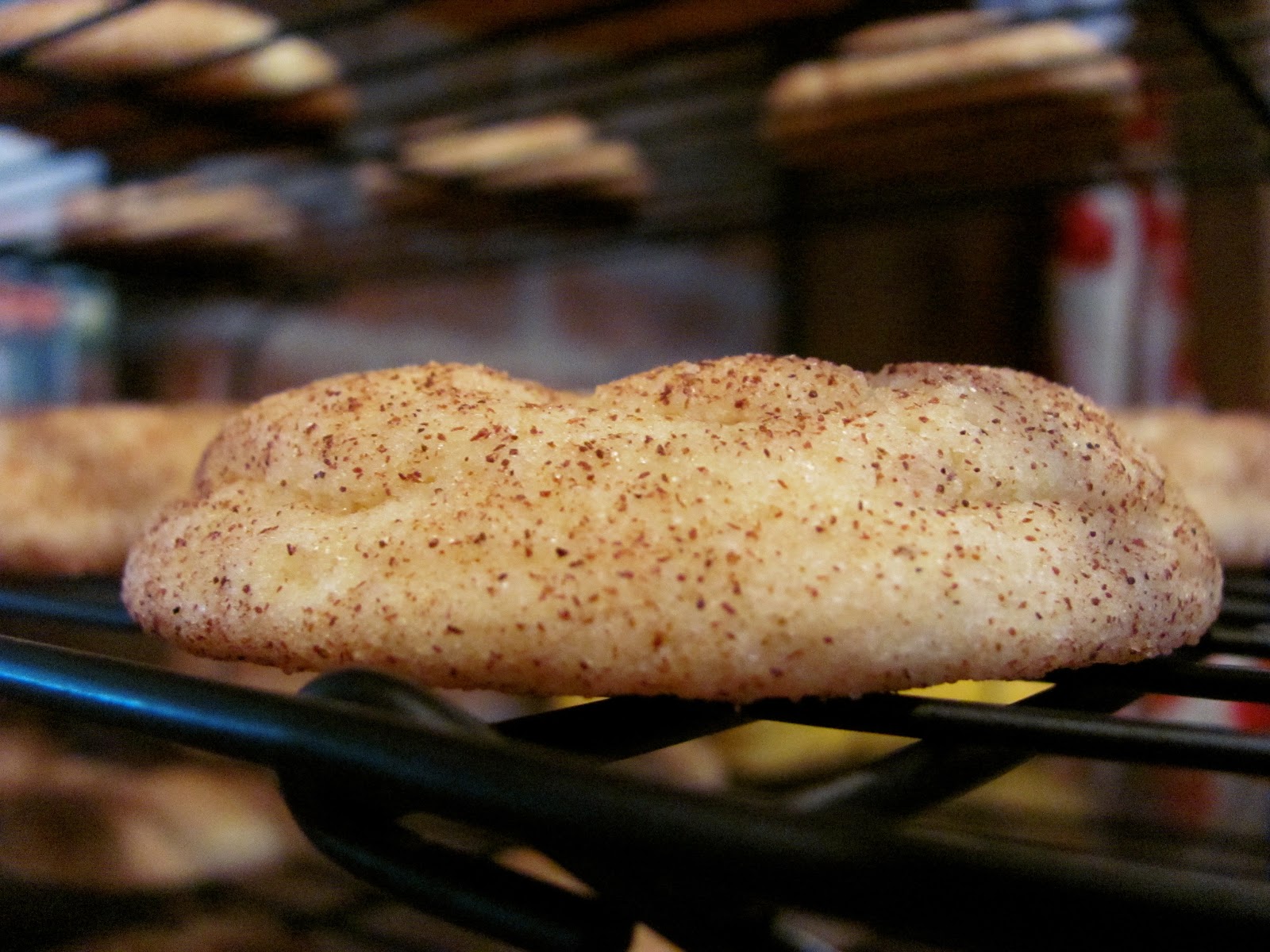
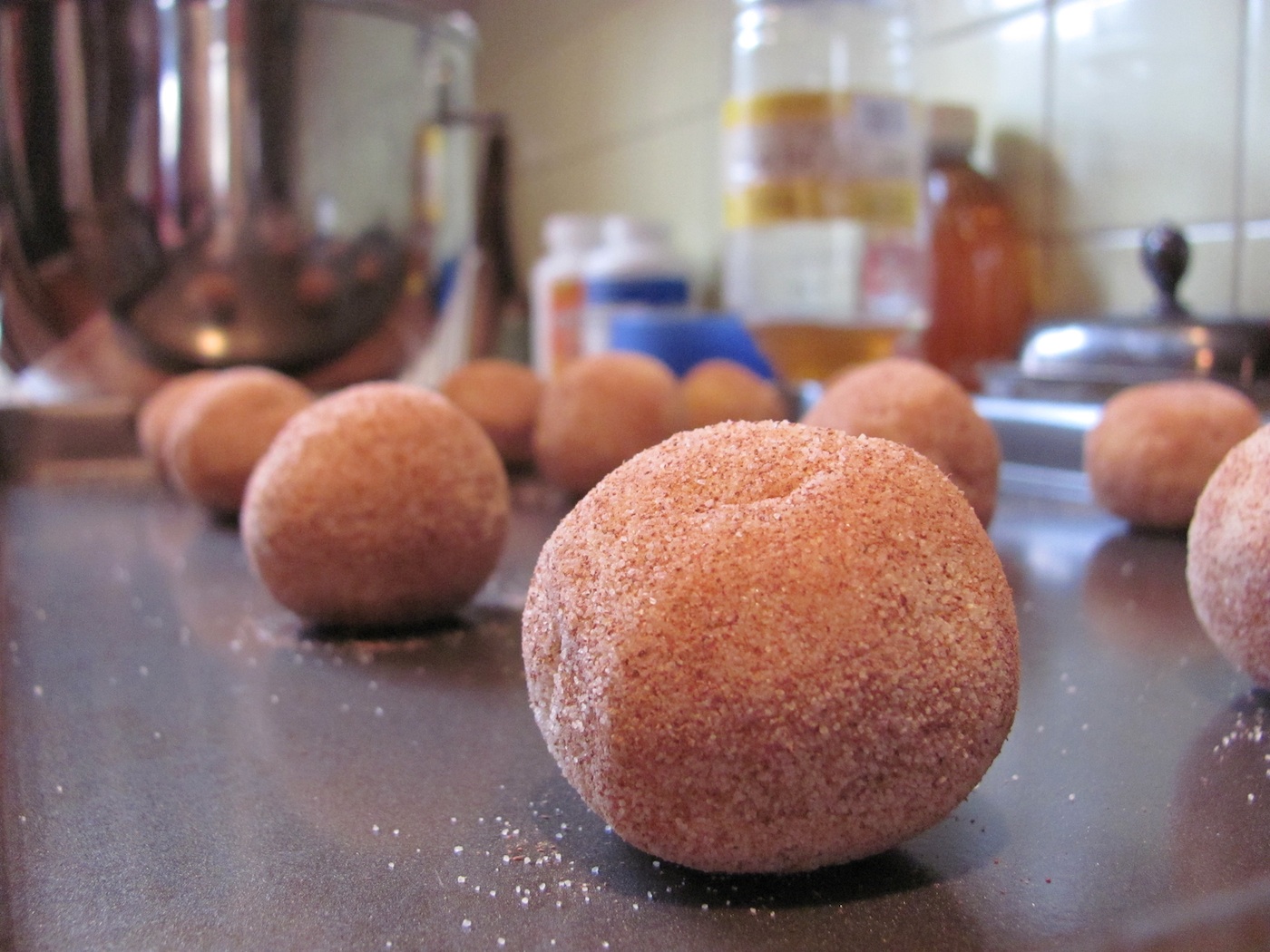
For its name alone, the Snickerdoodle is one of my favorite cookies. But there is more to this cookie than a cool, goofy name. Snickerdoodles have history. They are a cookie jar classic. Some say their roots can be traced back to Germany (to the “schneckennudeln,” or snail dumpling). Hmmmm. I prefer Snickerdoodle to snail dumpling. … Anyway, they are the first cookies I learned to bake in my mother’s kitchen, and they quickly became my go-to cookies (the ingredient list is short and simple, and the goods are always on hand).
Snickerdoodles are basically sugar cookies that take a tumble in cinnamon sugar before hitting the oven. I add nutmeg to the dough to further add to that homey, big-hug, old-fashioned sugar cookie taste.
Who Doesn't Love a Hybrid?
Lazy Sunday Cream Scones
I’ve always romanticized the rituals of tea making and tea taking. I have in my possession books that cover tea equipment and tea etiquette; tea history and tea customs; as well as, of course, old-school recipes (or “receipts”) for tea-friendly vittles, savory and sweet. My texts are riddled with delightful quotes like this gem: “I must further advise you, Harriett, … not to heap such mountains of sugar into your tea, nor to pour such a deluge of cream in; people will certainly take you for the daughter of a dairymaid.” —from “The Fool of Quality,” c. 1766-1770, reprinted in “A Dish of Tea: Recipes, History and Etiquette from Connor Prairie Museum.”
Poor Harriett.
Well, maybe I like the idea of a polite tea soiree more than the reality of what is apt to ensue should I embark on such a course. After all, my mother and her longtime friend Joan often enjoyed tea in the afternoon at our house, and these teas were anything but the proper affairs of my imagination: they drank their tea from sturdy mugs (forget dainty teacups) and left their mark with pinky-red lipstick; they didn’t nibble on dainty vittles (didn’t nibble on anything, as I recall); and there were, on several occasions, in these years before my mom finally gave them up for good … cigarettes. Sometimes, I sat at the kitchen table with them, eavesdropping and dodging second-hand smoke, but Joan wouldn’t tolerate this for long. Maryellen, why don’t you go find something to do? Your mother and I are trying to talk. Joan was not to be trifled with.
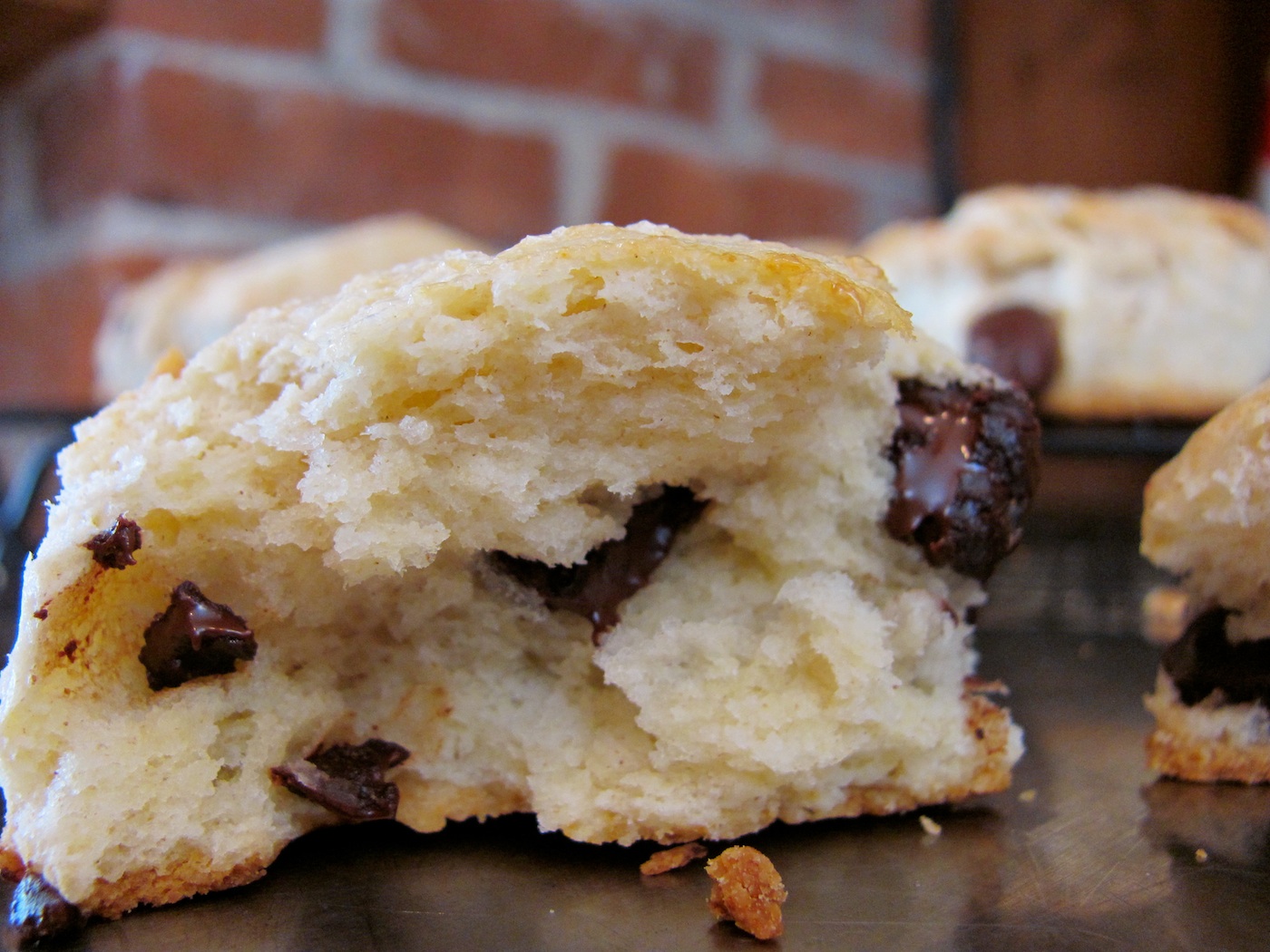
Anyway, beyond actual tea consumption, the only tea-related ritual I partake in at my house on a somewhat regular basis is the baking of scones. Unlike Joan and my mother, I like a nibble or two, or 10, with my tea. And there’s nothing easier or faster to make to satisfy my desire for a nibble than cream scones: tender, light and fluffy on the inside; a little crunch on the outside, thanks to a brush of cream and sprinkling of coarse sugar; and a not-too-sweet vehicle for butter and jam, lemon curd, whatever one fancies.
This recipe is as straightforward as it gets — no butter involved, just heavy cream — and the flaky scones are delicious plain or perked up with a cup of dried cherries, cranberries, blueberries (with lemon zest), or a handful of bittersweet chocolate chunks (the route I went today as that’s what I had on hand).
Lazy Sunday Cream Scones
(Yield: about 8 scones)
2 cups all-purpose flour
1 tablespoon baking powder
2-3 teaspoons granulated sugar
1 teaspoon salt
1 cup dried fruit, nuts or chocolate chunks (optional)
1 1/4 cups heavy cream
—
additional cream (or milk) for brushing (optional)
coarse sugar for sprinkling (optional)
Preheat oven to 425 degrees.
Sift dry ingredients into large bowl.
Stir in dried fruit, nuts or chocolate (if using, and yes, do this before adding cream).
Slowly mix in heavy cream (by hand) until dough is formed.
Roll or pat dough into a round on a lightly floured board. Cut into circles using round biscuit cutter or cut into triangles using a sharp knife.
Place scones on ungreased baking sheet, leaving each of them a few inches to groove.
Brush lightly with additional heavy cream or milk and sprinkle with coarse sugar (I use sanding sugar, but straight-up granulated is fine).
Bake in preheated 425-degree oven for about 15 minutes, rotating tray halfway through cooking time.
Remove scones from pan and cool on wire rack.
Sunshine in a Pan
That’s not to say you won’t find me celebrating the wonders of chocolate this week (or anytime, for that matter). And if you’re reading this and disappointed that I am not highlighting chocolate in all of its decadent glory on this particular day, in this particular post, get thee to the index’s “chocolate” link at left (or click here) and find your pleasure among the recipes for Triple Chocolate Babycakes, Chewy Chocolate Chunk Cookies or, if you have some time on your hands, Mile-High Chocolate Cream Pie.
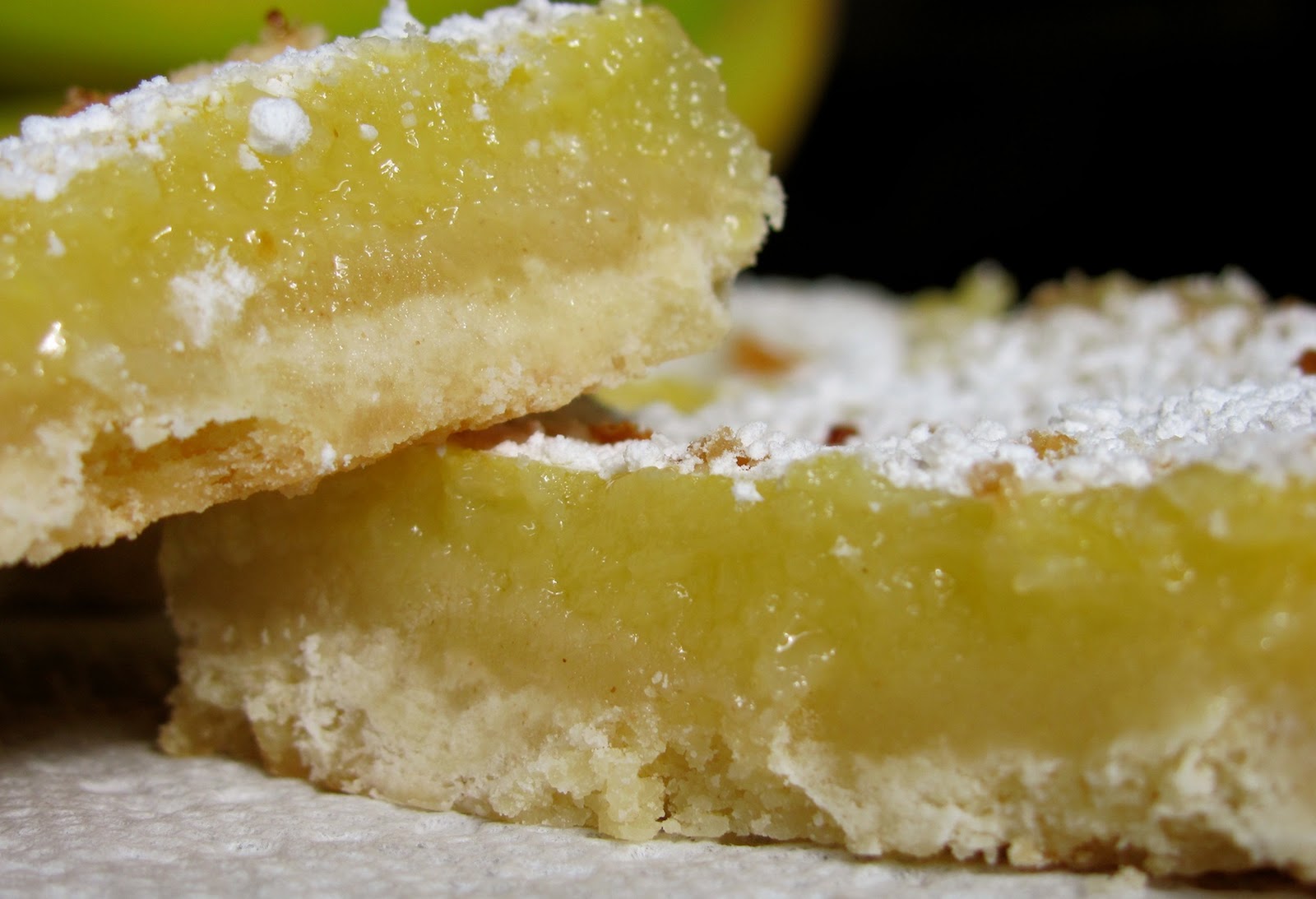
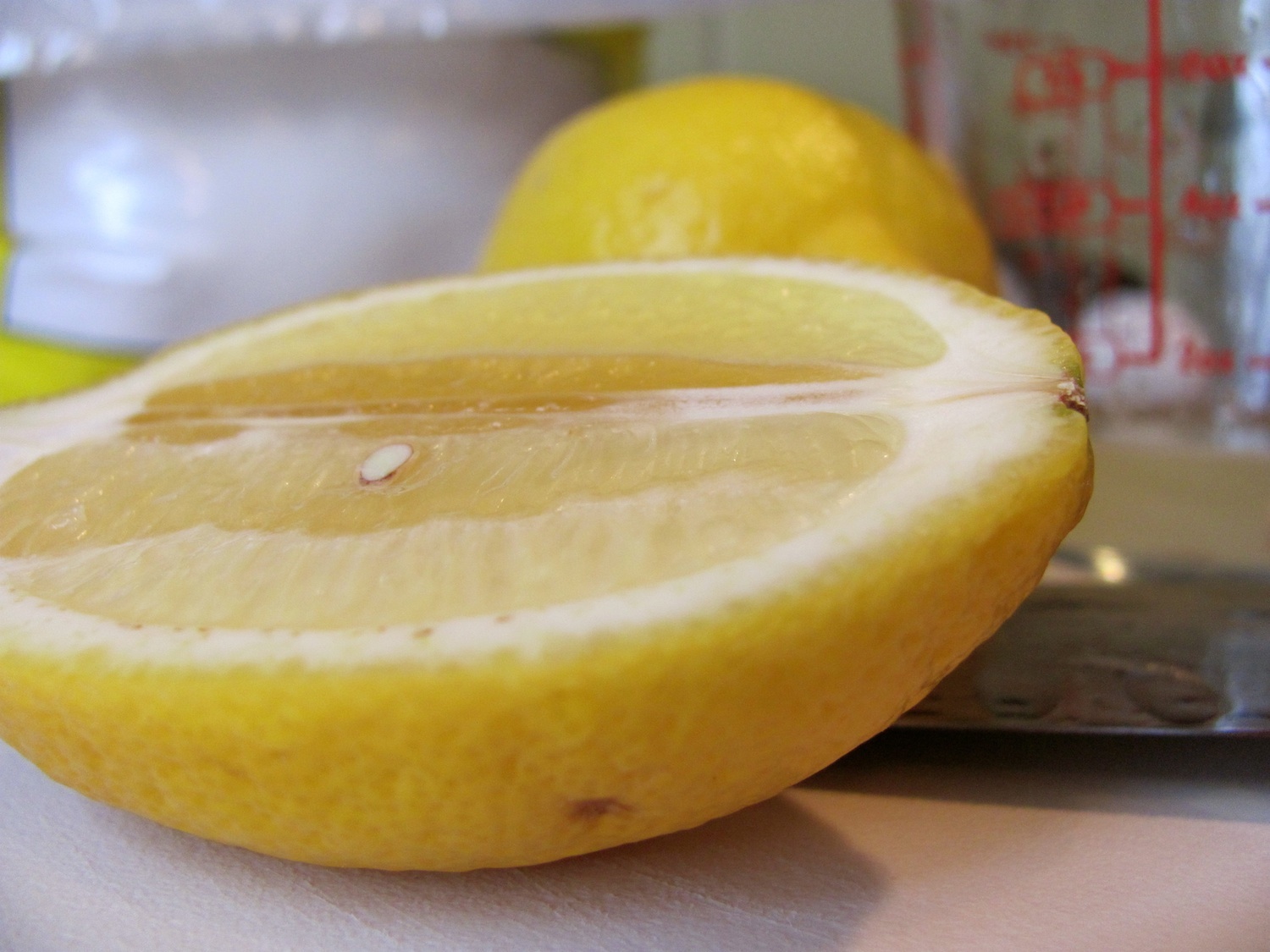
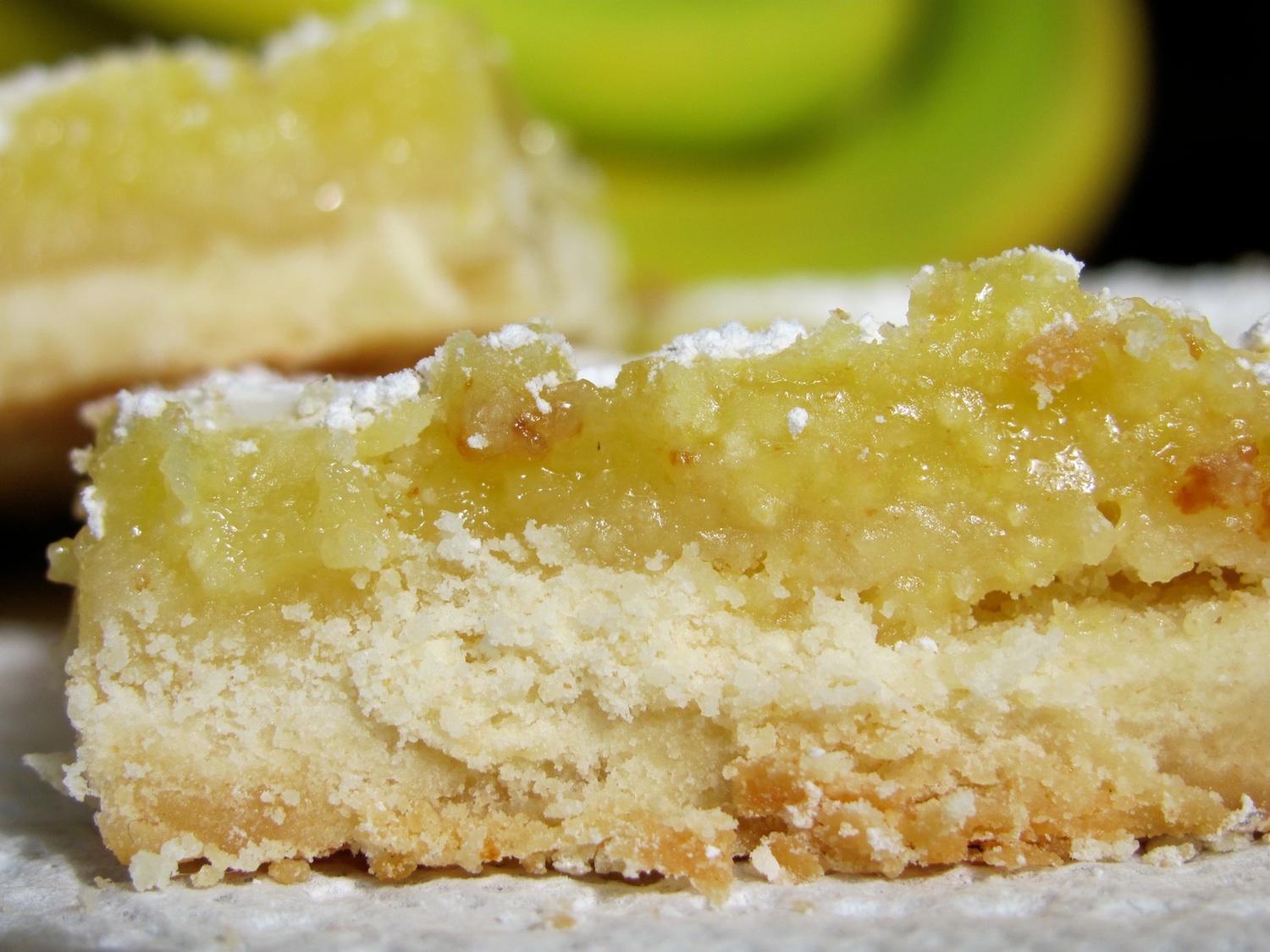
But for me, today, it’s about lemons. The weather has been dreary in Vermont this week (more snow, sleet and other anti-spring conditions), and I need a bar cookie with a burst of citrus to get me out of my funk. It also helps that the base of this cookie resembles shortbread, thanks to two sticks of butter.
I bake the bars only about once a year, but there is no good reason for this. They’re delicious, easy to make, and remind me of my mother — who gave me the recipe and also (inexplicably) made them only once a year.
Mom’s Lemon Bars
2 cups all-purpose flour
1 cup confectioners’ sugar
1/4 teaspoon salt
1 cup butter (2 sticks)
—
1 1/2 cups granulated sugar
4 large eggs
juice of 3-4 lemons, about 1/2 cup (3 worked for me — this time)
2 teaspoons lemon zest (optional)
1/2 teaspoon baking powder
2 tablespoons all-purpose flour
—
confectioners’ sugar to dust the top
Preheat oven to 350 degrees. Grease a 9×13-inch pan.
Beat butter, 2 cups flour, confectioners’ sugar and salt in large bowl until crumbly. Press this bumpy mixture into prepared pan as evenly as you can to form the base for the bars.
Bake base in preheated oven for about 20 minutes, until golden brown around the edges.
During those 20 minutes, make the filling: Whisk eggs with granulated sugar, fresh lemon juice, zest (if using), baking powder and remaining 2 tablespoons flour. Whisk until thoroughly combined.
When the base is ready, pour filling over top and return to the oven, baking another 15-20 minutes.
Dust with confectioners’ sugar and leave bars to cool completely on wire rack.
Cut into squares and enjoy the taste of sunshine (now, you’ll want to use a knife with some heft to it to press down through the base; these aren’t tricky to cut, but it’s easy to make the mistake of not slicing all the way through the layers; also, lift them out with a metal spatula). I like to store these in the fridge, but it’s not necessary.
In the Cookie Jar: Back to Basics
Chewy Chocolate Chunk Cookies
1 cup (2 sticks) butter, softened
1 cup brown sugar, packed
1/2 cup granulated sugar
1 tablespoon vanilla
2 large eggs
2 1/4 cups all-purpose flour
1 teaspoon baking soda
3/4 teaspoon salt (I like a bit more salt than is standard in most CCC recipes. If using unsalted butter, use 1 teaspoon salt.)
1 1/4 cups bittersweet chocolate chunks, or chips (I use a 60-70 percent cacao bar of chocolate, roughly chopped.)
1 cup milk chocolate chunks, or chips (I like the kid-pleasing sweetness once in a while.)
Preheat oven to 375 degrees. Have 2 cookie sheets at the ready (do not grease the sheets).
Whisk together flour, baking soda and salt. Set aside.
Cream butter and sugars until fluffy. Mix in vanilla and eggs, one at a time, until incorporated.
Work in flour mixture, in two or three batches, until combined. Don’t over-mix.
Stir in chocolate chunks, milk and bittersweet.
Drop cookie dough by hefty tablespoonfuls onto ungreased, cool-to-the-touch cookie sheets. (I use a scoop for this purpose that measures 1 1/2 inches in diameter. I like my cookies relatively uniform in size. Plus, they’ll bake more evenly if basically the same size.) Smoosh down dough a bit with the back of the spoon/scoop. Make sure cookies are somewhat evenly spaced with room to groove (we don’t want any run-ins).
Note: It may be tempting to slap dough onto trays relatively fresh from the oven, to keep things moving, but don’t do it. A hot tray messes with perfection.
Bake in preheated oven for 9 to 11 minutes, rotating tray at about the 6-minute mark. Cookies are done when set and golden brown around the edges but still a tad wet-looking in the middle. Remove from oven but leave on the cookie sheet for about a minute, then transfer cookies to wire rack to cool.
Dill: The Oft Neglected Herb
Somewhat Virtuous Sticky Sweetness
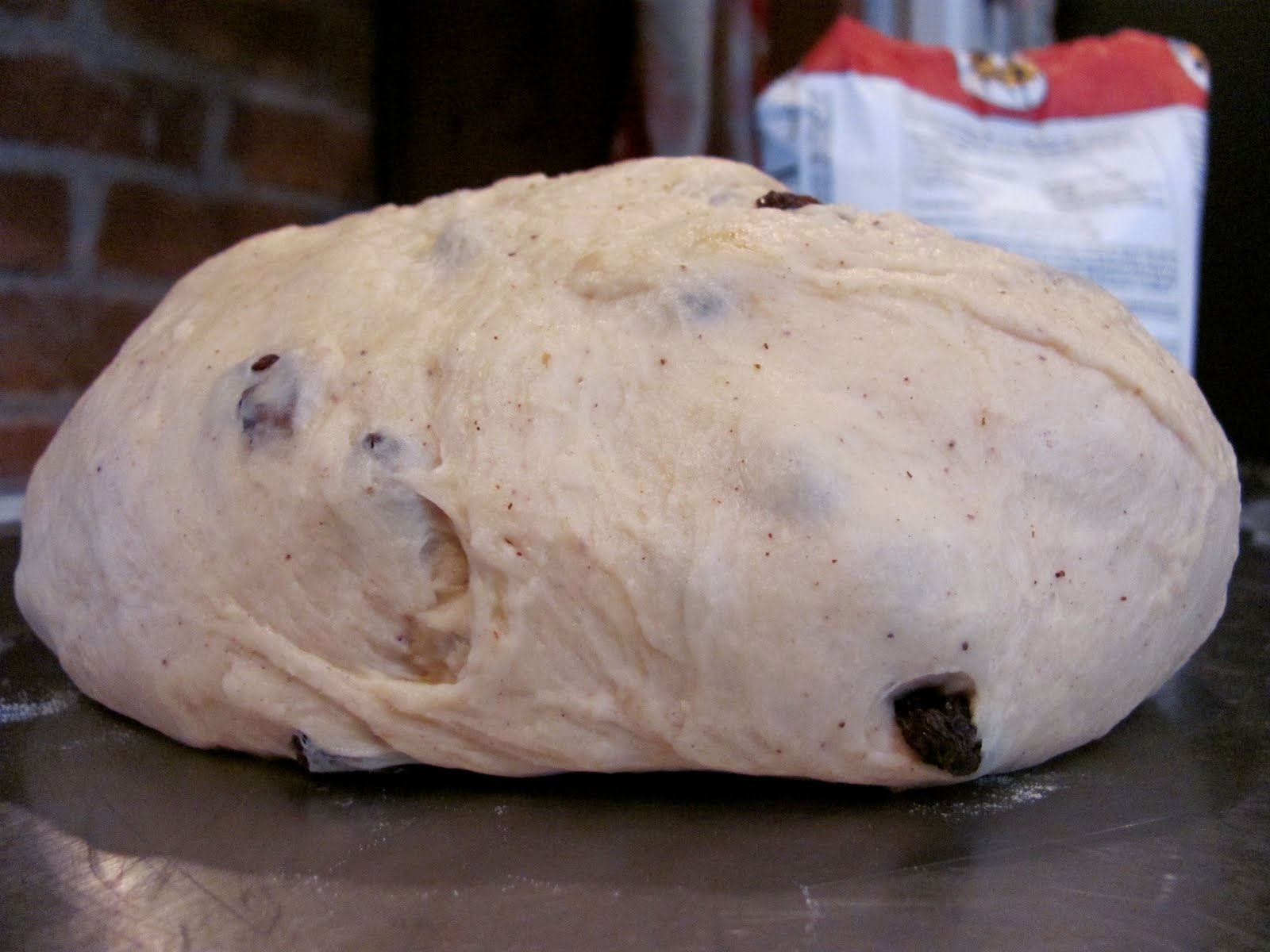
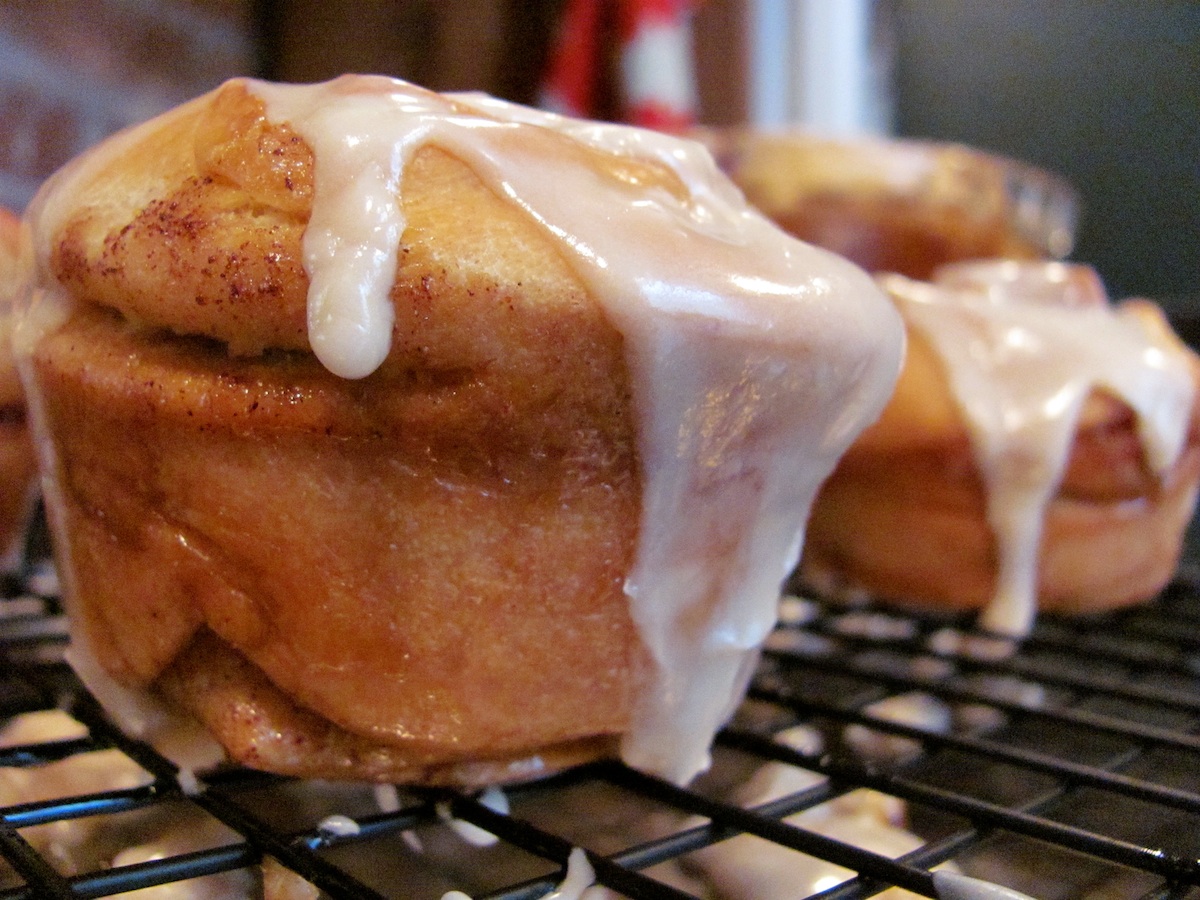
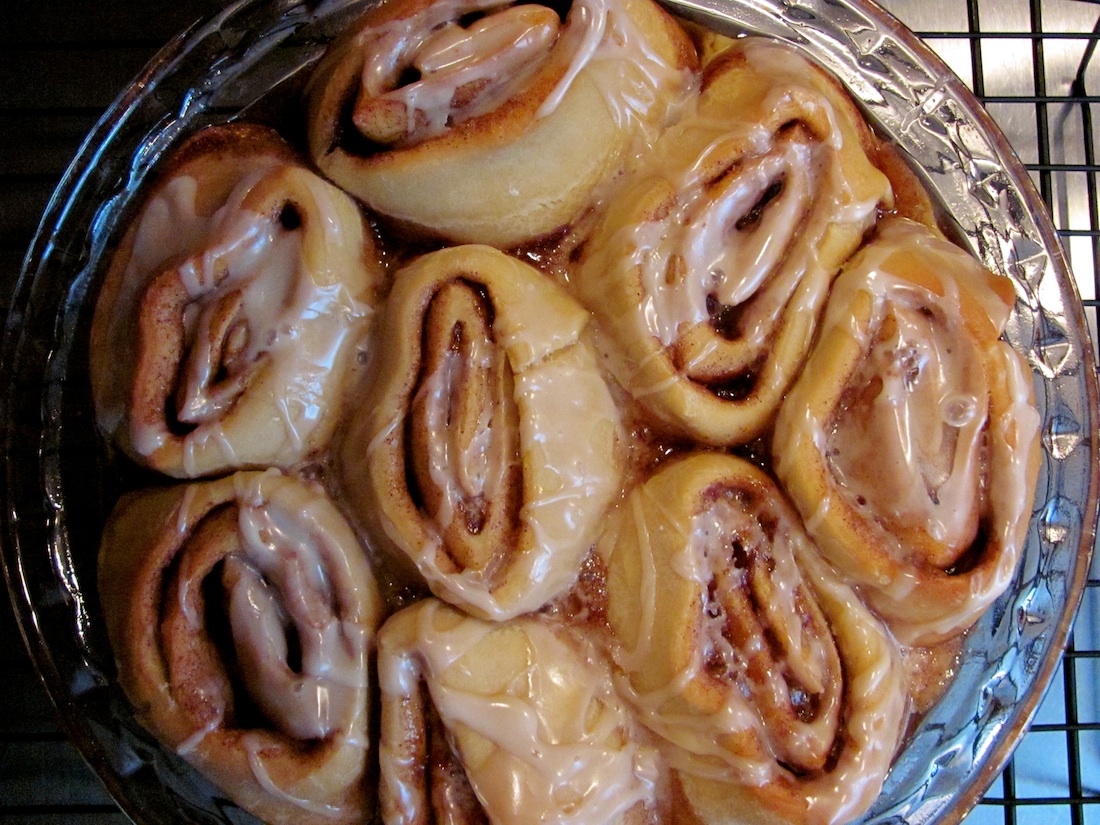
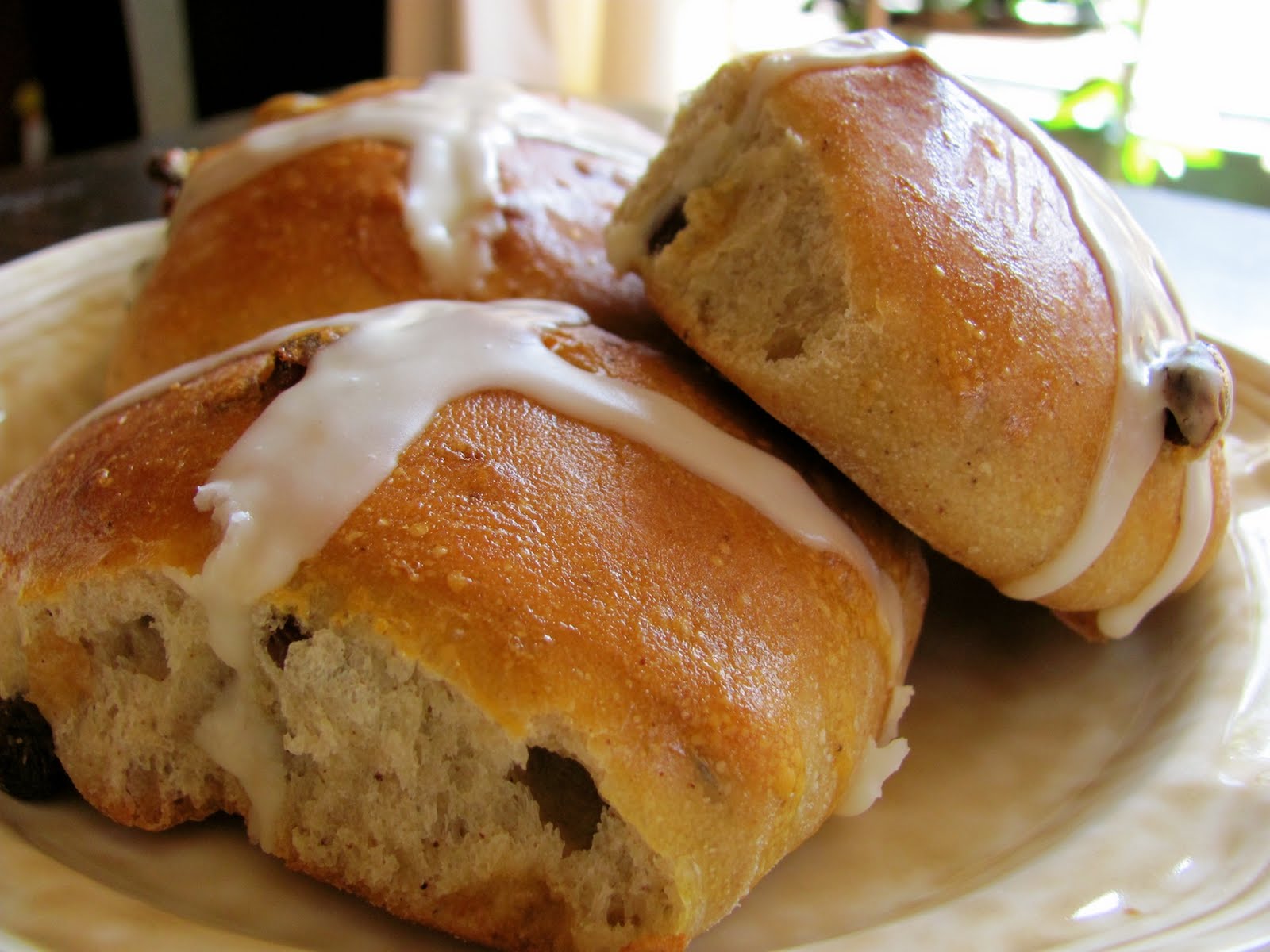
I love butter. I love buttery brioche. I love buttery brioche dough rolled up with brown sugar, spices and even more butter. I love to smell it baking in the oven, the brioche buns nestled together to better soak up any sticky, caramel-like secretions.
1 tablespoons active dry yeast
1 1/2 teaspoons sugar
1/4 cup warm water
2 cups buttermilk (I never seem to have buttermilk in the house when I need it; often I substitute regular milk with a shot of vinegar: in this case, 2 tablespoons vinegar to nearly 2 cups skim milk)
3-4 tablespoons vegetable oil
1 1/2 teaspoons salt
4 1/2 – 5 cups all-purpose flour
1/ 1/2 teaspoons baking soda
— gooey insides
1/2 cup (1 stick) softened butter (salted is fine)
1 1/4 cups packed brown sugar
2 teaspoons ground cinnamon
1/2 teaspoon ground cardamom
— maple icing
1 1/4 cups confectioners’ sugar
3-4 tablespoons pure Vermont maple syrup
1-2 tablespoons skim milk
Combine yeast with water and sugar. Leave to rest and do its thing for about 5 minutes (bubbles will rise to surface).
Mix buttermilk with vegetable oil and salt over low heat until warm. Add this mixture to large bowl.
Sift together all-purpose flour and baking soda. Set aside.
Add yeast mixture to buttermilk mixture. Stir.
Add 2 1/2 – 3 cups of flour mixture, beating on medium-high speed to combine. (You’ll want to switch to a dough hook eventually if you’re using a stand mixer.)
Add additional flour in batches until dough starts to form and pull away from sides of bowl.
Transfer dough to lightly floured surface and cover with bowl. Let it rest about 15 minutes.
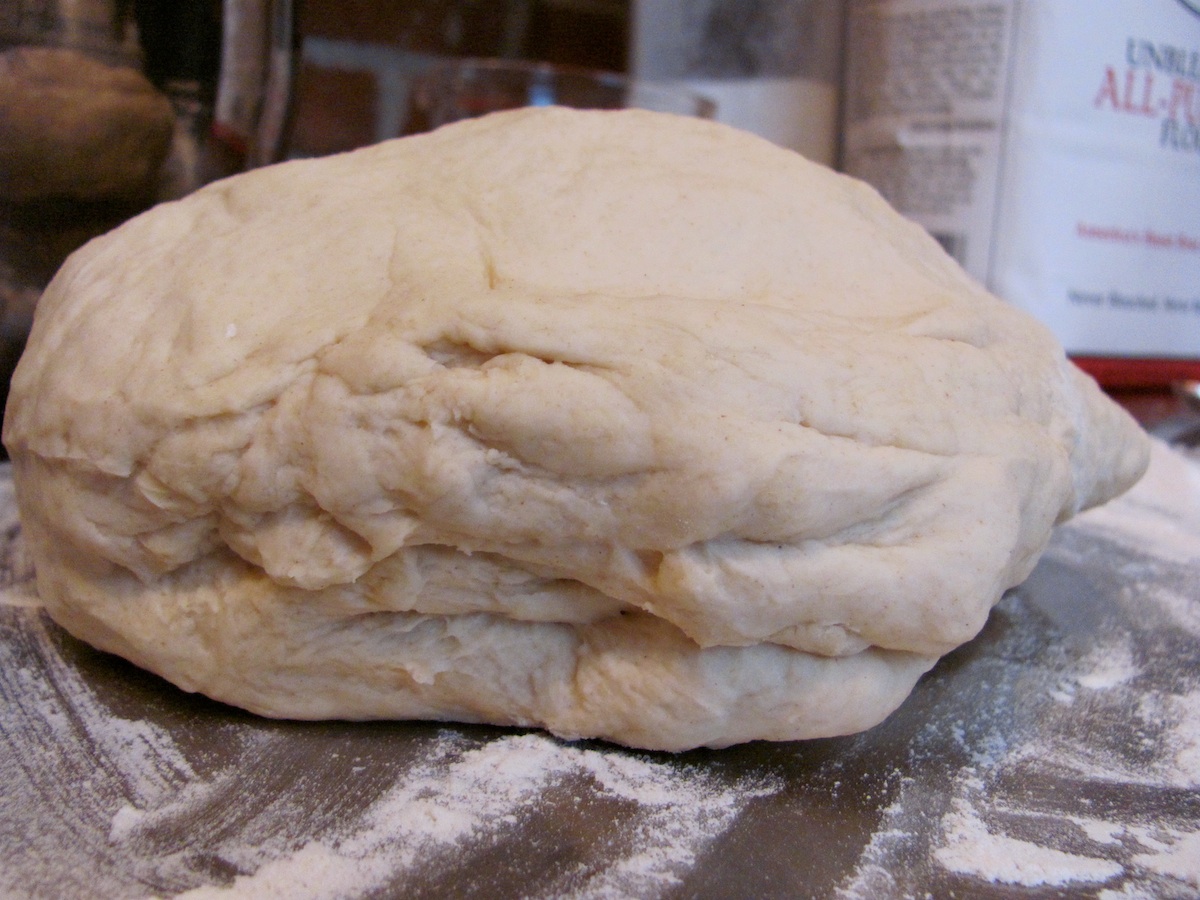
Uncover and knead with dough hook for about 5 minutes if using stand mixer, up to 10 minutes if kneading by hand, until dough is satiny and springy.
Preheat oven to 350 degrees. Grease 2 round cake tins or pie pans (or go the muffin tin route I discussed above).
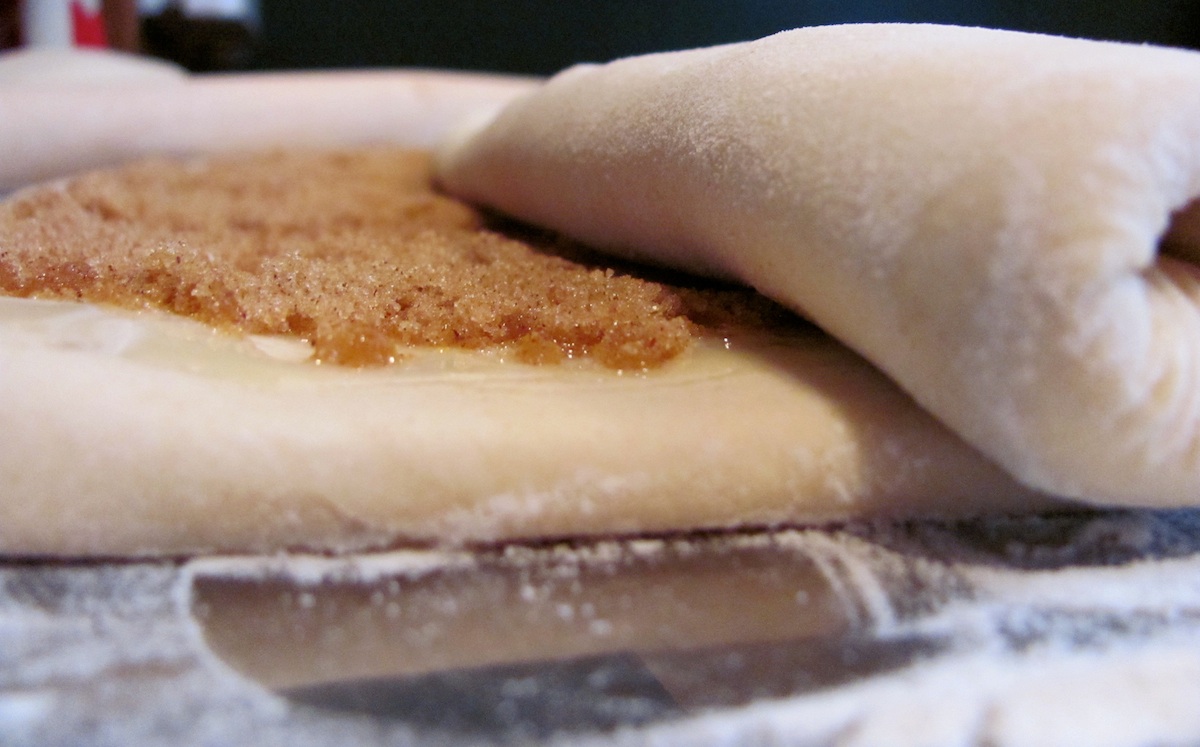
Divide dough into 2 equal portions. Roll each into a rectangle.
Smear 1/4 cup softened butter all over each rectangle, then generously shower with brown sugar and spices.
Starting from the long side, roll up the dough rectangles jelly-roll style to form 2 logs. Slice each log into 9 buns.
Place 9 buns into each pan. It’s OK if they don’t fit snugly; they will grow.
Bake in preheated oven for 15-20 minutes.
While the buns bake, mix confectioners’ sugar with maple syrup and skim milk to make icing.
Generously ice buns as soon as you remove them from the oven.
Eat them, being sure to scoop up the goo in the bottom of the pan.
Garlic, Garlic and More Garlic
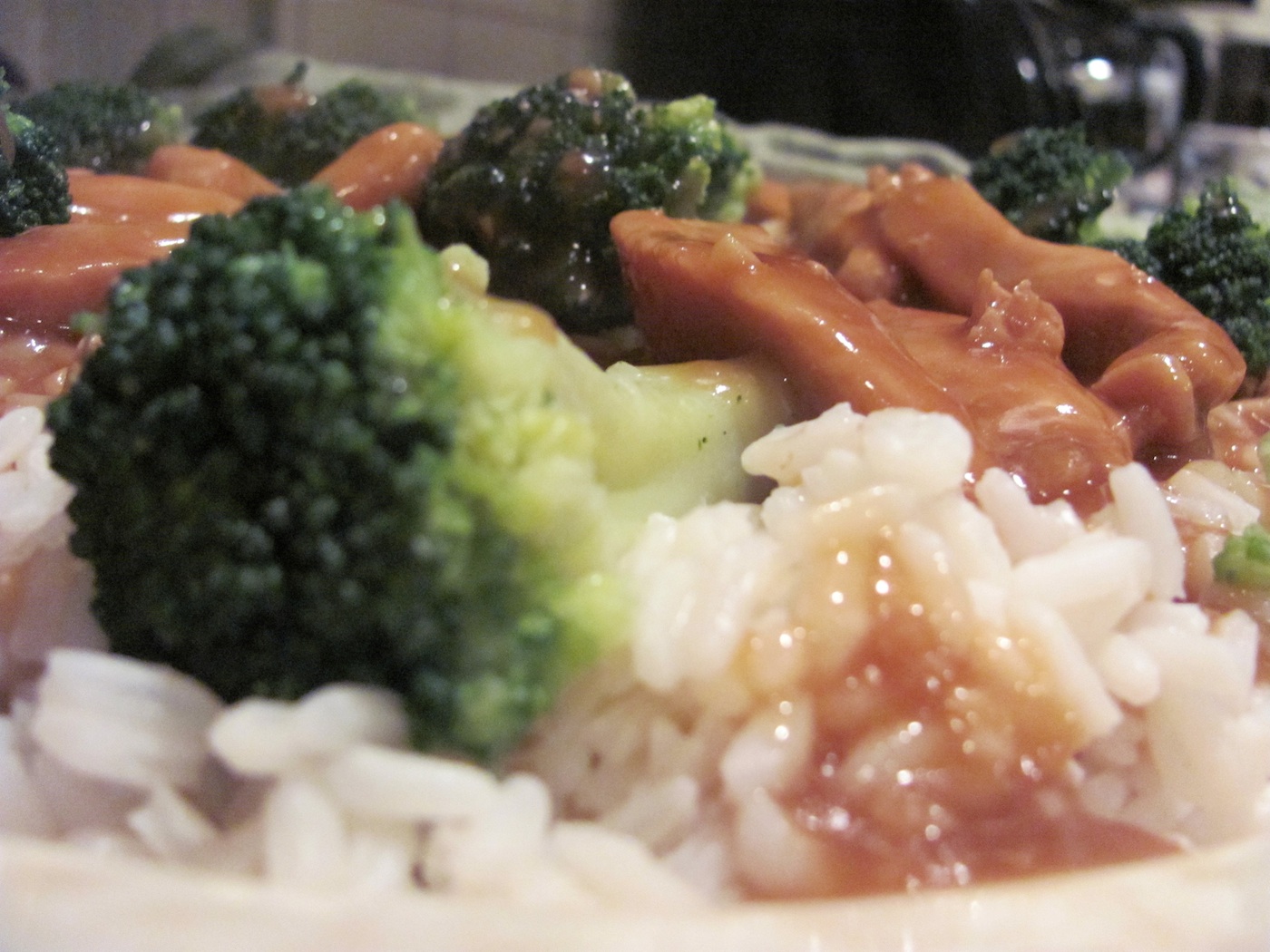
Chicken with Garlic Sauce is abundant among takeout joints. Unfortunately, I don’t recall how I first came to make it (hey, I am older than I used to be), so if I am not crediting someone out there with inspiring my version, my sincerest apologies.
Chicken with Garlic Sauce
(serve over white or brown rice)
2 boneless, skinless chicken breast halves (use more if you like, but I like this ratio of chicken to sauce, especially as I intend to eat mine with steamed broccoli and rice), cut into strips or cubed
4-5 cloves garlic, peeled and minced
1 1/2 cups chicken stock
3 packed tablespoons brown sugar
4-5 tablespoons soy sauce (reduced sodium would be healthier, I suppose)
1 heaping tablespoon all-purpose flour
Whisk together brown sugar, soy sauce, minced garlic, 1 cup of chicken stock. Set aside.
In separate bowl (I use a glass measuring cup), whisk remaining 1/2 cup stock with flour until it is free of lumps. Set aside.
Heat oil in large skillet over high heat. Add chicken pieces, lightly browning but not cooking them through. Remove chicken from pan (it is not fully cooked at this point, remember; you will finish cooking it in a minute or two).
Add mixture of brown sugar/soy sauce/garlic/stock to hot skillet, whisking as you do so. Return chicken pieces to skillet.
Cover and reduce heat to simmer for 12-13 minutes.
Again, remove the chicken from the skillet but leave the sauce; use a slotted spoon. Add the flour/stock combo to the skillet.
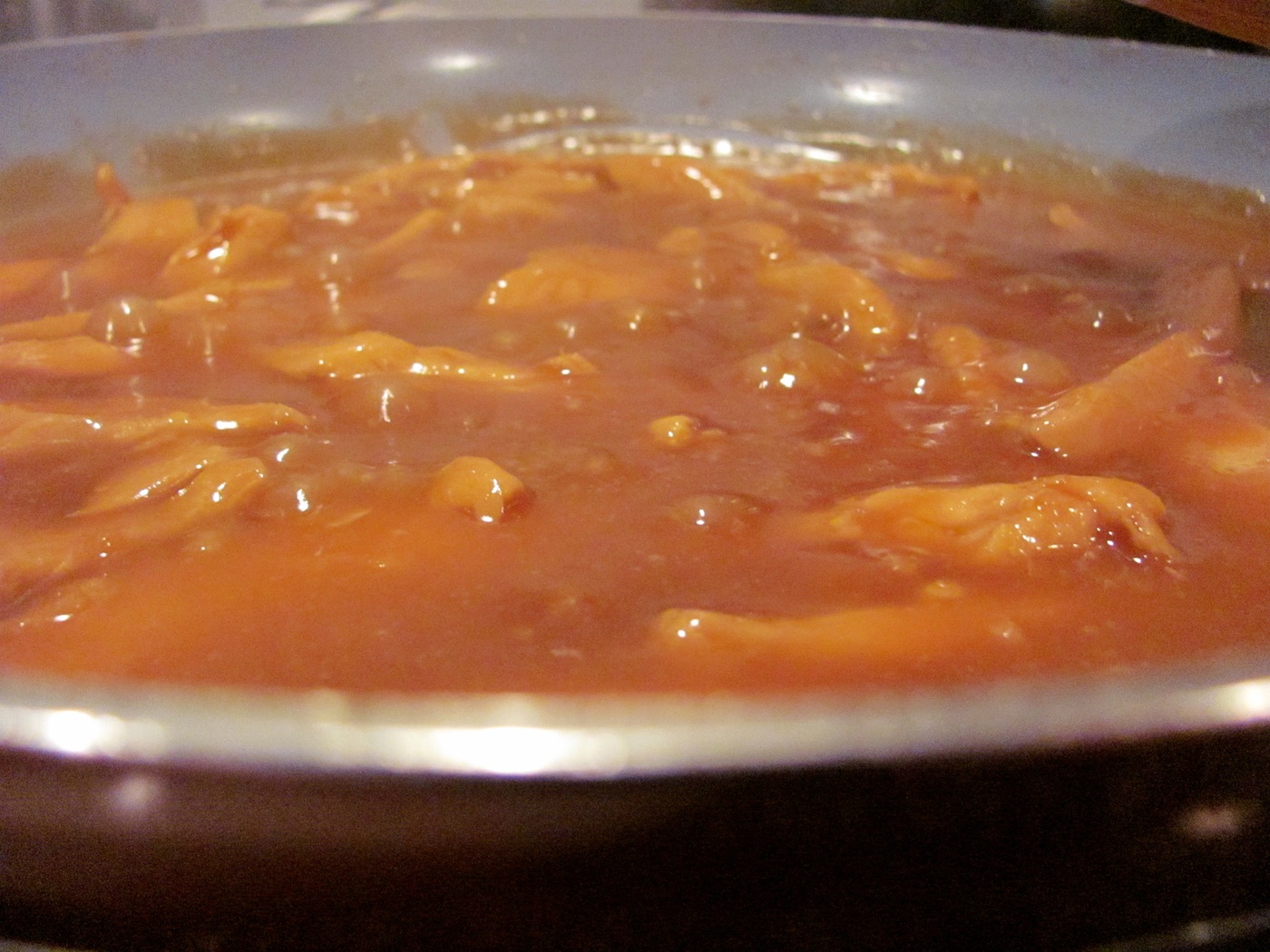
Bring sauce to a boil to thicken, whisking all the while.
Return chicken to pan, coating it with sauce.